TMBアイピーステストリポート

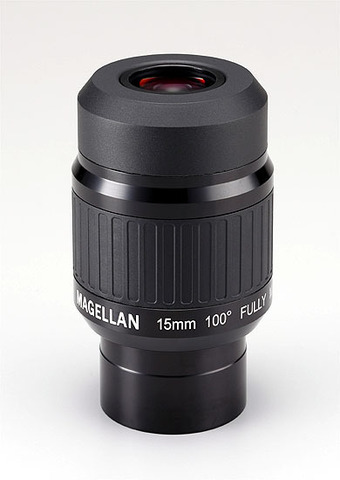
小回の特集は、日本滞在の天文ハイアマチュアの「マーティン・ザンダー」氏ご提供の特別TMBアイピースリポートです。惑星、月面、太陽面などのディープ観望をされる方に最適なアイピースの魅力は、マーテン氏が解説致します。リポートは元の英語とその和訳で提供させて頂きます。

この機会に、より多くの方々に「TMB スーパーモノセントリックアイピース」の素晴しき性能の全貌を感じて頂ければと考える次第でございます。

 TMB スーパーモノセントリックアイピースについてのご質問等はどうぞお気軽にこちらまでご一報下さい。

国際光器スタッフ一同

マーテン氏テストリポートの英語版
マーテン氏テストリポートの和訳版
MY PERSONAL EXPERIENCE WITH TMB SUPERMONOCENTRICS

I've observed and studied the moon in detail since Apollo 8 and am very familiar with its geology and itsgeography. There are several narrow and extremelylow-contrast features that I have been struggling to locate and observe. These are rilles and scarps caused by movement of lava in Mare Humoeum, Mare Imbrium, Mare Tranquilitatis and in and around the Apennines.

After working with 6 or 7 telescopes,perhaps 25 or 30 top eyepieces and all kinds of seeing conditions, I have recently had amazing fortune with my own optically perfect Takahashi Mewlon 180 and my exquisite TMB 12mm Supermonocentric with a W82A filter. This combination together with 8+ seeing conditions has proven itself to yield the best possible resolution and contrast. The Mewlon is an f12 so this is 180x with an exit pupil of 1.0mm. I assumed seeing conditions were the reasons for success so I got into the habit of repeating observations with other eyepieces.

With a Pentax XW14, a Vixen LVW17, a TeleVue Panoptic 27 in a 2x PowerMate, superb 9mm and12mm plossls and a Takahashi LE12.5 (all with 82A filters except the Panoptic) I have afterwards been able to make out what I had been looking for but only the TMB 12 provided the necessary light transfer, sharpness and contrast to let the Mewlon locate the features in the first place. And this is saying a lot considering the world-class quality of those other excellent, excellent lenses, especially the XW14.

I conclude that for critical, high-magnification observations of solar system objects and double stars, nothing will show more detail than a TMB Supermonocentric in a Mewlon or an apochromat with significant aperture. Note carefully that the user must have a flawless objective, excellent seeing conditions and well-developed observation skills to distinguish the TMB from another great eyepiece.

Recognize that these requirements are not caveats but basic realities at all times in astronomy. Any sales-focused review that does not properly take seeing conditions and user observation skills into account is fundamentally flawed. All telescopes and eyepieces are at the mercy of atmospheric conditions and can only perform to the limit of those conditions.

The TMB Supermonocentrics are intended to show all that your telescope possibly can and this is always limited by seeing and experience. When the seeing does permit grand views, however, only the TMBs will rise to your objective's full potential. If you are anxious to make your favorite telescope carve out those really elusive details on planetary surfaces, you'll do best to retire all your plossls, orthoscopics, erfles and kelners and get about three TMB Supermonocentrics in focal lengths that best match your telescope for magnification, exit pupil and observing needs.

But just get one first and reallylearn to see critically with it. That one will become your favorite planet watcher.

Never mind the hysteria trashing the 30-degree FOV. It's completely irrelevant whether you have 30 degrees or 82 degrees FOV when studying the rings of Saturn. Indeed the 82-degree eyepiece is much less likely to show you the intricate details you are hoping to observe.

With experience, you'll learn to appreciate the narrow field for forcing you to concentrate on the detail. Ignore negative reviews about poor off-axis performance and short eye relief. Monocentric eye relief is 0.85xfocal length by definition, longer that plossls and nobody would want a planetary eyepiece for off-axis or edge performance any more than someone would enter a HumVee into an F1 race. Reports of poor off-axis performance are both false and irrelevant.

My TMBs are optically flawless.

I have become a full-on trooper for these lenses through systematic and intensely critical, scientific observation. I know that the negative publicity out there everywhere comes only from those who have made
mistakes, those who don't know what they are talking about or those who have minimal understanding of what they are looking at and thus have no clear idea of what these stunning TMB eyepieces are prepared to do.
            Martin Zander (Nishinomya City, Japan)

 私のTMBスーパーモノセントリックアイピース実視体験

私はアポロ8号以来、月を観測及び研究の対象としており、月の地質と地形に精通しています。月にはいくつかの狭くて非常にコントラストの低い地勢があり、それを突き止めて観測したいと常々思っていました。これらは、湿りの海, 雨の海、静かの海から、また、アペニン山脈内部および周囲からの溶岩の移動によって生じた小川や断崖などの複雑な地形です。

これまでに私は望遠鏡を6〜7台を試し、そして恐らくその時期に最高と言われるアイピースを25〜30個試し、すべてのシーイング条件で試してきましたが、つい最近、光学的に完璧なタカハシミューロン180とW82Aフィルター付きの素晴らしいTMB 12mmスーパーモノセントリックアイピースに出会いました。この組み合わせでシーイングが8+の条件で使用すると、可能な限り最高の解像度とコントラストが得られることがわかったのです!。ミューロンはF12の開口なので、これは1.0mmの瞳径で180xとなります。もしかするとシーイング条件が成功のほとんどの理由かなと?思ったので、他のアイピースでも観測を繰り返すことにしました。

Pentax XW14、Vixen LVW17、2x PowerMateのTeleVue Panoptic 27、素晴らしい9mmおよび12mmのプローセル、そしてTakahashi LE12.5(Panoptic以外はすべて、82Aフィルターを使用)を使用し、とことん観望すると、、、、ついに私が永年探していたものを見つけました。ミューロンで地勢を検出するために必要な光転送(注1)鮮明度、最高のコントラストを提供できたのはTMB 12のみで、その素晴らしい世界クラスの品質のレンズ、特にXW14と見比べた場合ででもその差は大きく、これが何を物語っているかはお分かりになると思います。


したがって重要な太陽系天体と二重星の観測には、大口径のミューロンまたはアポクロマートでTMBスーパーモノセントリックアイピースを使用するのが最高であるとの結論を得ました。ただし、傷やアスのない対物レンズ、素晴らしいシーイング条件、熟練した観測技術を備えていなければ、TMBと他の素晴らしいアイピースとの区別をつけることはできません。

また、これらの要件は、特殊な天文学からのは警告ではなく、フラットなイメージを持って冷静に観望する事が、常に必要な基本的な現実だということも知っておいてください。シーイング条件と使用者の観測技術を考慮していないセールス目的のレビューは、基本的に不備があります。すべての望遠鏡とアイピースは、大気の条件に左右され大気の気流条件が許す範囲でしか性能を発揮できません。

TMBスーパーモノセントリックアイピースは、本来その望遠鏡が見せることのできるすべてを見せてくれるように作られていますが、これは常にシーイングと経験によって限定されます。シーイングが素晴らしい視界を提供すれば、TMBによって望遠鏡は間違いなく最大の性能を発揮できます。自分のお気に入りの望遠鏡で、惑星の表面のわかりにくい細部を開拓したければ、プローセル、オルソ、エルフレ、ケルナの使用をやめ、拡大率、瞳径、観測のニーズに最も合致した焦点距離を持つ3つのTMBスーパーモノセントリックアイピースを使用すれば間違いなく他とは一線を画した最高の性能が得られます。

ただし、最初はまず1つ入手して、それを使ってじっくりと見てください。またその時はいろんな人達が発する情報をシャットアウトした状態で冷静に見て下さい。そうして見ればそのTMBスーパーモノセントリックアイピースはきっとあなたのお気に入りの天体観測アイピースとなるはずです。

条件が許せば、拡大率を通常よりすこし高くしてみてください。これらのレンズは光転送が多いので、望遠鏡の開口が他のアイピースを使用した時に比べて大きく感じることがあります。これはわくわくする体験です。30度の見かけ視界を中傷するようないろんな人達の意見は気にしないでください。土星の輪を観察する場合に、30度の見かけ視野であるか、82度の見かけ視野であるかは、ほとんど関係ありません。実際に82度のアイピースでは、レンズエレメントの性質のせいで観測しようと思っている複雑な細部が見える可能性が低くなることが多いのです。

経験を積めば、細部に集中して観測せざるを得ない狭い視界が逆にありがたいことがわかります。オフアキス性能と短いアイリリーフについての批判的レビューは無視してください。モノセントリックアイリリーフは、定義により焦点距離x085倍で、これは、プローセルより長くなります。誰もハムビー(注2)をフォーミュラ1に使用しようと思わないのと同じで、オフアキスやエッジュの性能のよい天体アイピースが欲しいとは思いません。オフアキス性能が低いというレポートは誤っており、また、不適切なものです。

私の市販のTMBは光学上まったく問題がありません。

これまでに何度となく、体系的で極めて徹底した科学的観測によって、これらのレンズを隈なくチェックしました。よくある批判的な評判は、誤った操作で観測をした人、何を求めているのかがわかっていない人、何を見ているのか自分でわからず、これらの素晴らしいTMBアイピースが提供しようとしているものが何なのかよく理解できていない人が言っていることなのです。以上の事から私は月面観測のエクスぺルテンとして、何にも勝るシャープネスを持つアイピースをお捜しの方に自信を持ってこのTMBスーパーモノセントリックアイピースを強くお薦めします!。

(注1)=透過率の意味。(注2)=米軍が現在使用している四輪駆動の多目的機動車の事。

マーテン・ザンダー(兵庫県西宮市)


HOME